

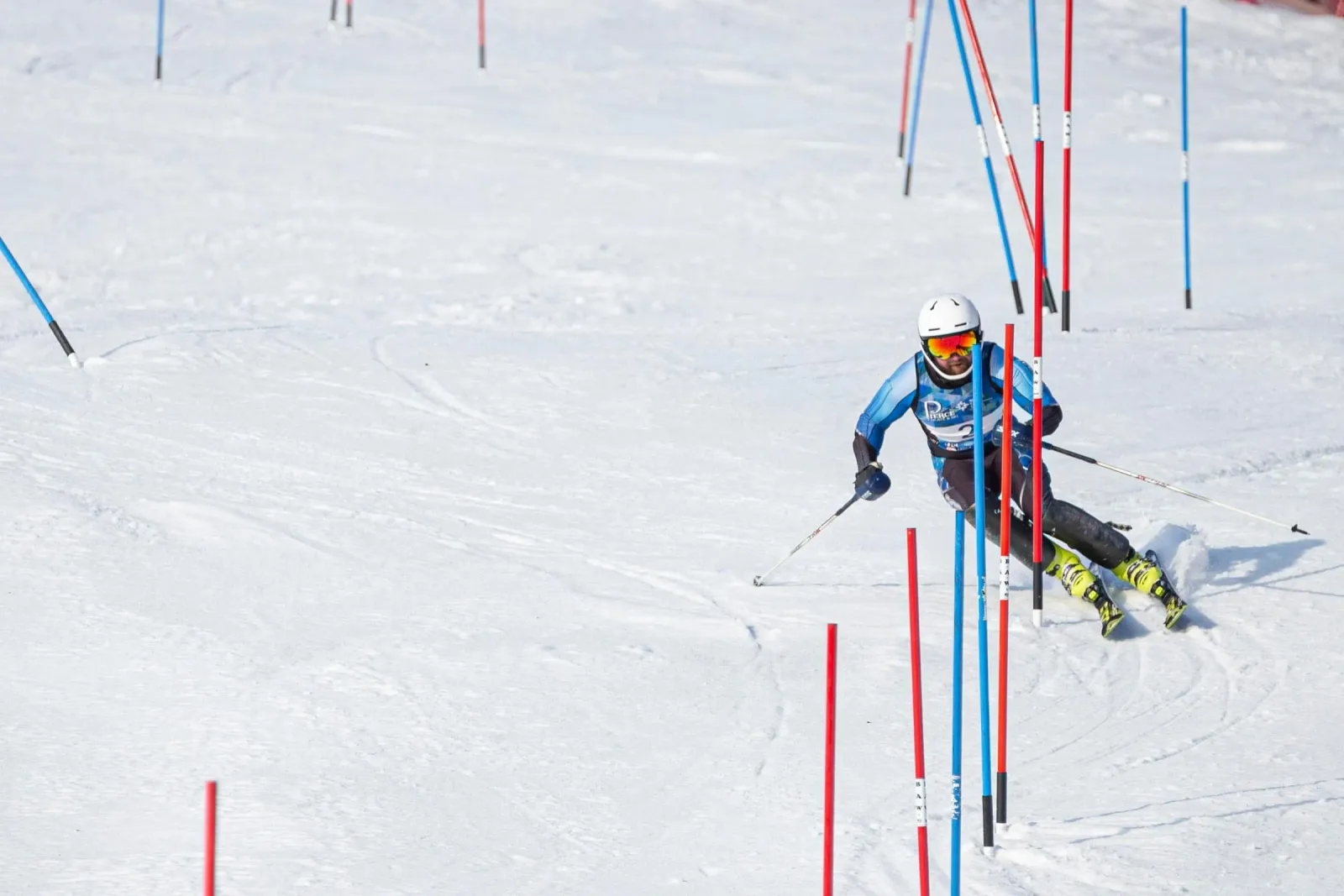
Sports performance
Training, fuel and recovery.
Ski racing success depends as much, if not more, on how you prepare for the demands of the sport. Here is how Team Gilboa athletes train, fuel and recover.
Dry land
The season starts in September.
Dry land is where racers get in shape, meet their teammates and coaches, and get excited for winter. The coaches keep it fun. We recommend going to as many sessions as you can.
U10 to U14 fall dry land
Eight weeks at Hyland, Monday and Wednesday, 5:00 to 6:00 PM. Included in tuition. September 21 to November 11.
Tough Tuesdays
The U16 and U18+ dry land program, running from June into November. June to November.
Training Haus fall dry land
An add-on with our performance partner in Edina. Monday, Wednesday and Friday afternoons for U16, U18+ and HSD; Tuesday and Thursday for U14. Optional add-on.
Sports medicine and performance
Injury care with Twin Cities Orthopedics.
Twin Cities Orthopedics is Team Gilboa's official sports medicine partner. Its Clinical Navigator coordinates care and priority scheduling for our athletes, from the first physician visit through return-to-sport testing.
- Concierge care coordination and priority scheduling for partner athletes.
- Training Haus, powered by TCO. Strength and sports performance training in Edina. 952-456-7650.
- Concussion resources. The US Ski concussion policy, the CDC's concussion facts for parents and Hyland's concussion action plan are linked below.
Nutrition
Fill the plate for the day.
Your body needs fuel for dry land, on-snow training and race day. The Athlete's Plate, from the U.S. Olympic Committee's sport dietitians, changes with how hard the day is.
Easy day
An easy workout, or tapering. Half the plate fruits and vegetables. About a teaspoon of fats.
Moderate day
Training twice, with one session on technique. Equal thirds. About a tablespoon of fats.
Hard training or race day
Two or more hard workouts, or competition. Half the plate grains. About two tablespoons of fats.
Hydration
Cold air is still thirsty.
Hydrated cells get the most out of training and recover faster. Significant dehydration can take hours, even days, to recover from.
2-3% is enough to hurt
Performance can drop with as little as 2 to 3% of body weight lost to sweat: 3 to 4 pounds for a 150-pound athlete.
3 morning checks
Dark morning urine, a lower waking weight, and more thirst than usual. Two or more means you are likely dehydrated.
3 cups per pound of sweat
Rehydrate after training with fluid and electrolytes, based on the sweat you lost.
Watch for the signs: trouble concentrating, early fatigue, training that feels harder than it should, cramps, headaches and slow recovery.
Race day fuel
Nothing new on race day.
Practice your fueling plan in training first. Then race day is just another day you already know how to eat for.
Before
Carbohydrates top off the energy stores used overnight. Not used to eating early? Start with toast or a banana, or try a smoothie or sports drink.
Between runs
Eat, hydrate, free ski to stay warm, and change into dry layers. At some venues breakfast opens only after inspection, so pack food.
After: the four R's
Within 30 to 60 minutes: replenish carbohydrates, repair with 15 to 25 grams of protein, reinforce with colorful foods, rehydrate.
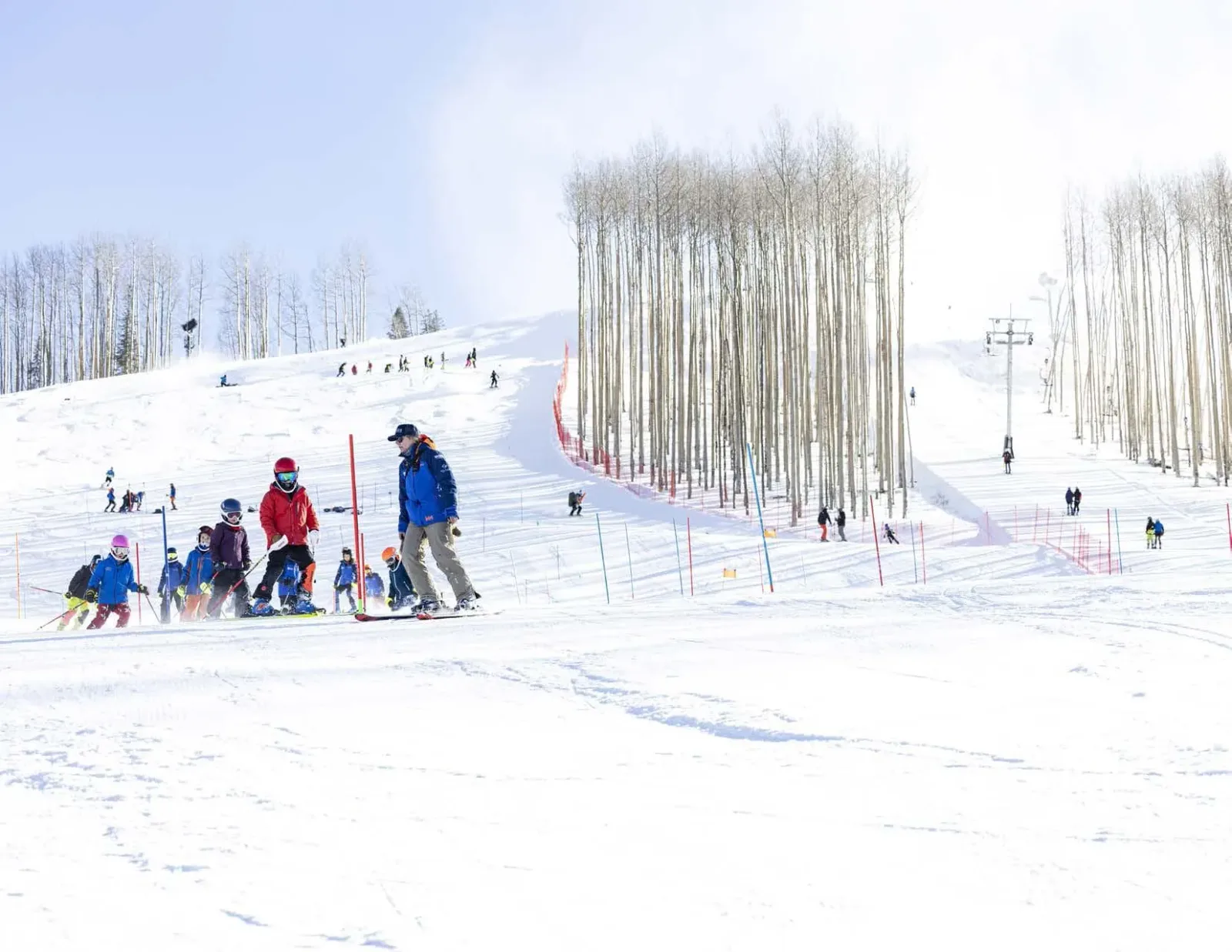
On the road
Food and water on the road.
Race weekends and camps mean hotels, long drives and flights to altitude. A little planning keeps racers fueled.
- Pack a food bag with one or two water bottles and sport foods.
- Drink small amounts often while traveling. Water or milk, with electrolytes.
- Eat like you do at home, with snacks between meals and sensible choices at buffets.
- Bring hand sanitizer. Yogurt or kefir in the two weeks before a trip can help immunity.
Supplements: ask first
Athletes considering a supplement should talk with their head coach, and meet with a nutritionist first to check for any real deficiency.
Resources
The full fact sheets and safety policies.
Hydration
USOC fact sheet, PDF
Fueling for competition
USOC fact sheet, PDF
Nutrition for recovery
USOC fact sheet, PDF
Nutrition for travel
USOC fact sheet, PDF
Altitude and the body
USOC fact sheet, PDF
US Ski concussion policy
PDF
Hyland concussion action plan
PDF
SafeSport guidelines
PDF
Dietary supplements
USOC fact sheet, PDF
Concussion facts for parents
CDC fact sheet, PDF
TCO Clinical Navigator
How the Navigator helps, image
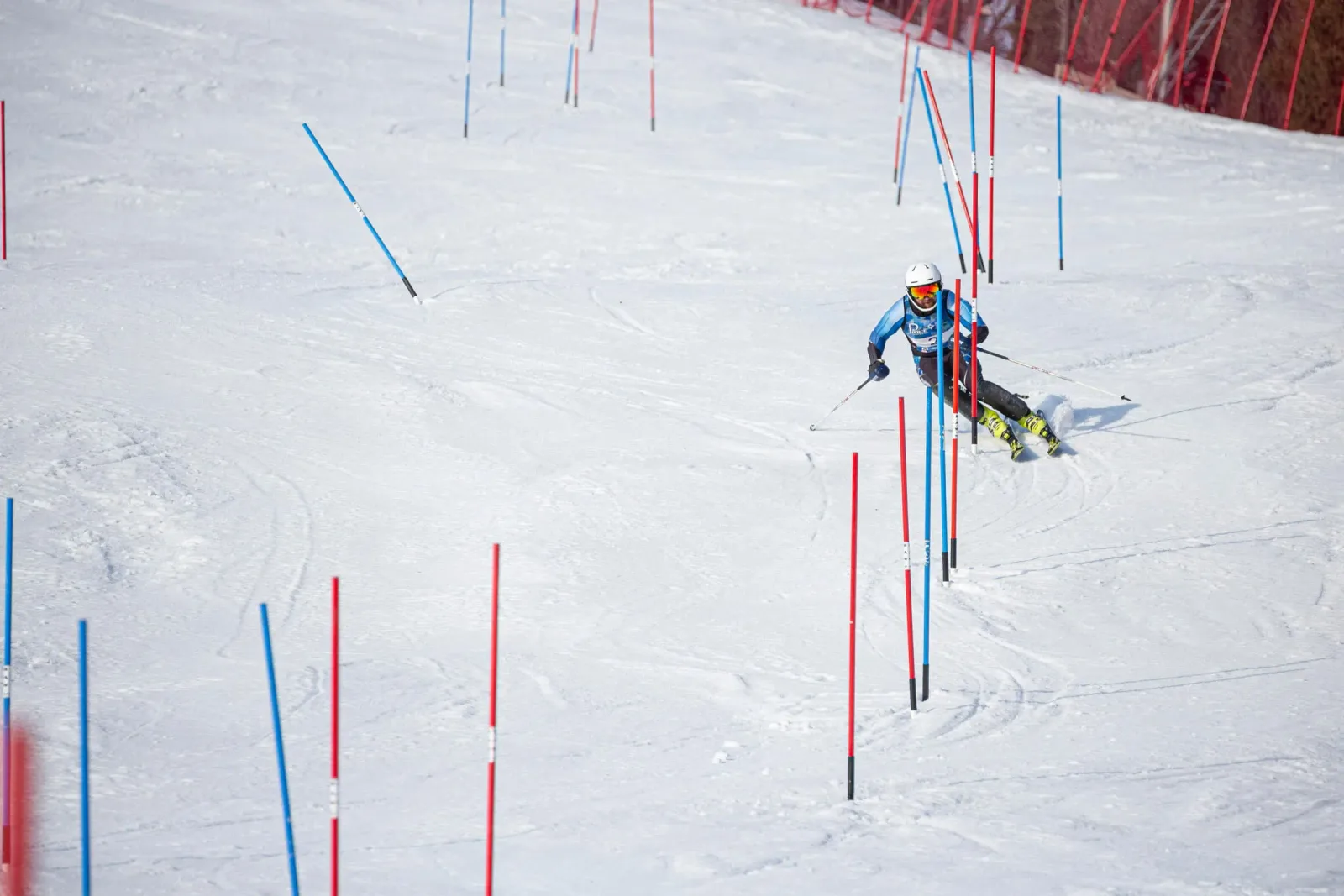
From dry land to snow
The work shows up in December.
On-snow training begins: Tuesday, December 1, 2026 at Hyland Hills